Operational problems solved. Business outcomes delivered.
Fragmented infrastructure, stalled cloud migrations, and invisible distributed systems are not technology problems. They are business constraints. We resolve each one through a single accountable operating model.


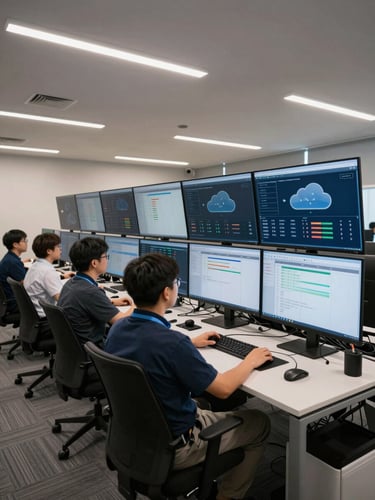
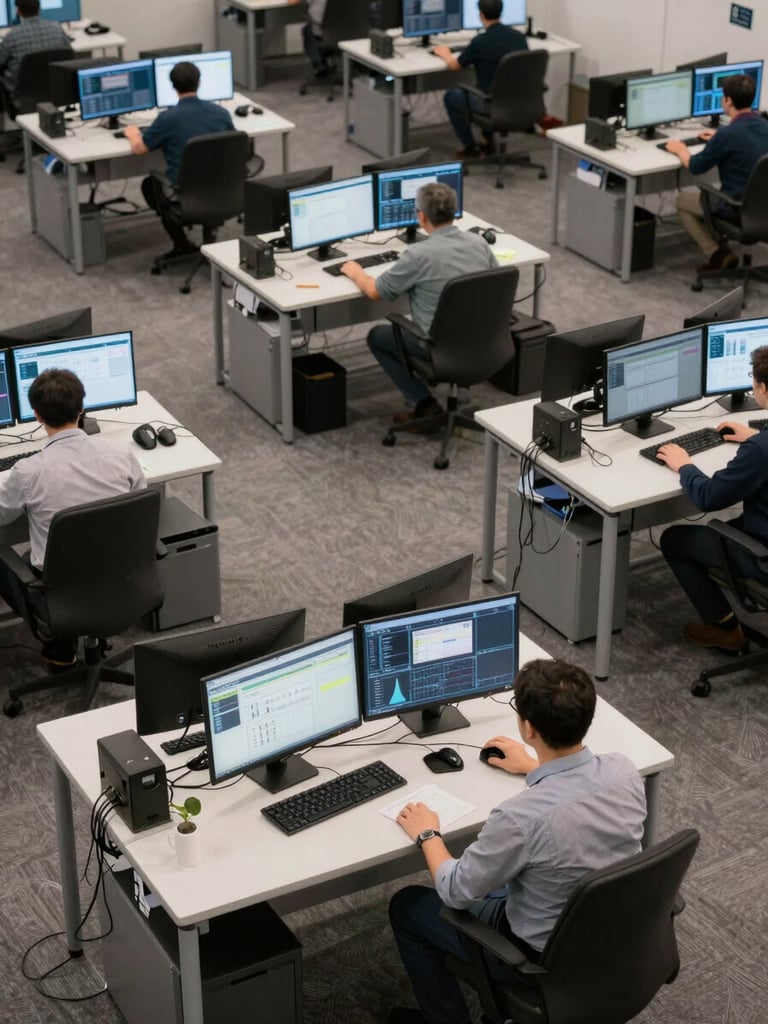
Three failure modes. One partner to resolve them.
Fragmented infrastructure, unified under one model
When an organization runs 12 vendors across 6 regions with no single point of accountability, every incident becomes an escalation loop. We consolidate multi-vendor environments into one managed operating layer with defined SLAs and centralized reporting.
Our infrastructure consolidation engagements begin with a full dependency mapping across all active systems. We identify overlap, eliminate redundant licensing, and establish a unified governance structure before touching a single production component.
Cloud migrations that hold under production pressure
Most cloud migrations fail at the workload prioritization stage. Teams lift everything, and then discover that latency-sensitive applications were never mapped to the right availability zones. We run structured wave-based migrations with pre-migration load testing on every critical workload.
Every engagement includes a post-migration operational runbook, a 90-day hypercare window, and defined rollback procedures that have actually been tested, not just documented.
Distributed systems, visible and accountable at every layer
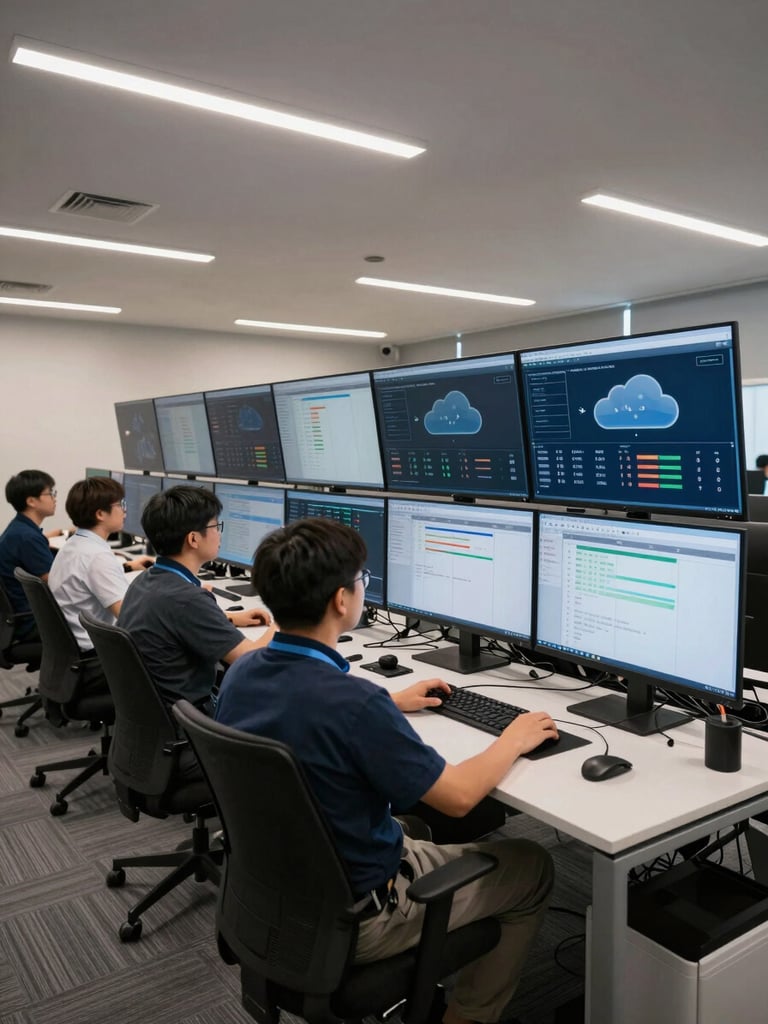
Operating across 8 countries with no unified observability layer means that regional incidents stay invisible until they become global outages. We instrument distributed environments with per-market telemetry feeding a centralized operations platform.
Our delivery teams operate in regional time zones with a central accountability layer that owns incident response regardless of where the fault originates. Visibility and ownership are both non-negotiable.
One contract. One accountability chain.
Designed for how systems actually break
Rather than managing separate vendors for infrastructure, cloud, and software delivery, enterprise clients work with a single engagement model. One escalation path. One set of SLAs covering the full stack.
We have operated production systems through market downturns, regulatory overhauls, and infrastructure supply chain failures. That operational history shapes how we architect every engagement: with failure tolerance as a structural requirement, not an afterthought.
Outcomes defined before work begins.
Each solution engagement includes defined recovery time objectives, tested failover procedures, and a governance model that assigns ownership before an incident ever occurs.
Every solution engagement opens with a baseline measurement and a defined target state. Progress is tracked against agreed metrics, not internal velocity. Clients see what changed, by how much, and when.
Numbers that reflect operational reality
340+
99.97%
18
62%
Uptime sustained across production environments over the past 36 operating months.
Countries where we operate distributed delivery teams with local accountability structures.
Enterprise infrastructure environments under active management across regions.
Average reduction in vendor management overhead reported by clients after year one.
Tell us where your current model is breaking down.
Our solution architects review your infrastructure, vendor landscape, and delivery requirements before recommending an engagement model. No generic proposals. No discovery fees.
Unify Decoders
One partner. Every system. Every region.
Navigate
Reach Us
hr@unifydecoders.com
+1 (302) 666-2931
8 The Green STE 24979
Dover, DE 19901, United States
©2026 Unify Decoders-Enterprise technology operations across every region we serve.
Global delivery. Accountable outcomes.